
Introduction
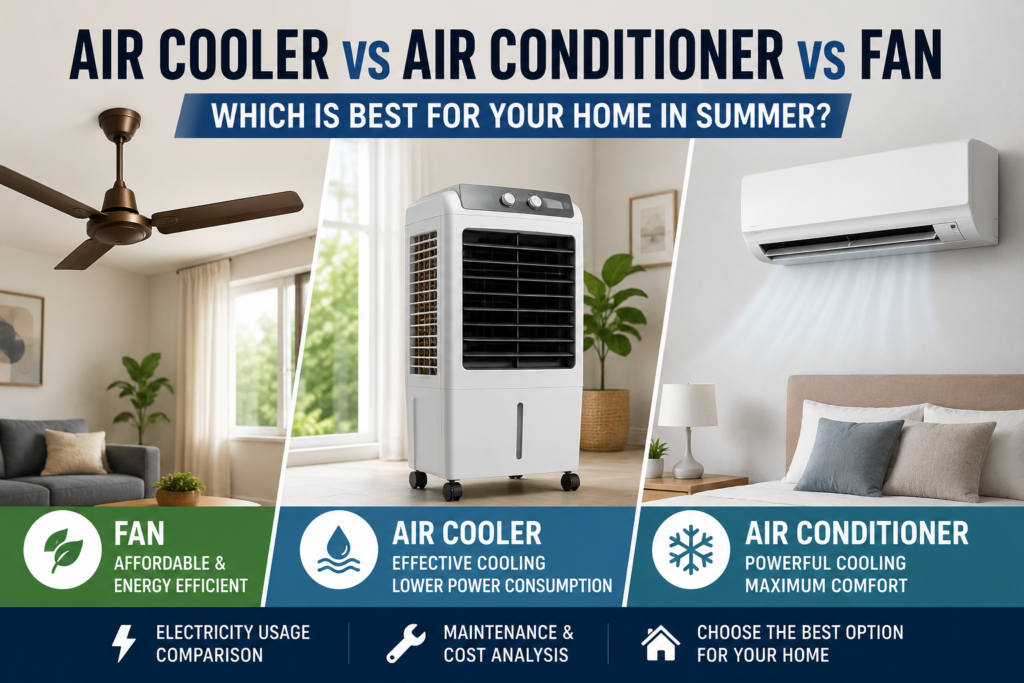
During summer, keeping the home cool becomes a daily challenge, especially during heatwaves. Many households depend on fans, air coolers, or air conditioners for comfort, but choosing the right option is not always easy.
Each cooling method works differently and has its own advantages and limitations. Some options are budget-friendly and consume less electricity, while others provide stronger cooling but increase power usage and maintenance costs.
The best choice depends on several factors such as room size, climate, electricity consumption, comfort needs, and budget. Understanding these differences can help you select the most suitable cooling solution for your home without unnecessary expenses.
In this guide, we will compare fans, air coolers, and air conditioners based on cooling performance, electricity usage, maintenance, and overall practicality for Indian homes.
How These Cooling Options Work
Before comparing them, it is important to understand how each cooling method works.
Fans
Fans do not reduce room temperature. Instead, they circulate air to create a cooling effect on the skin. Ceiling fans and table fans are the most commonly used cooling devices because they are affordable, energy-efficient, and easy to maintain.
Fans work best in moderately warm conditions where airflow is enough to create comfort.
Air Coolers
Air coolers use water evaporation to cool the air. Warm air passes through water-soaked cooling pads, and the cooler releases cooler air into the room.
They work best in dry climates where humidity is lower. Air coolers consume less electricity than air conditioners and are suitable for medium-sized rooms.
However, they may not perform effectively in areas with very high humidity.
Air Conditioners
Air conditioners remove heat and humidity from the room using refrigeration technology. They provide the strongest cooling performance and can maintain a consistent indoor temperature even during extreme heat.
ACs are ideal for very hot climates and large rooms but usually consume more electricity compared to fans and coolers.
They also require proper installation and regular maintenance for efficient performance.
Cooling Performance Comparison
The biggest difference between fans, air coolers, and air conditioners is the level of cooling they provide. Choosing the right option depends on your climate, room size, and comfort expectations.
Fans
Fans provide airflow but do not actually reduce room temperature. They are best for mild to moderate heat conditions where ventilation is already available. Ceiling fans are usually enough during early summer or in areas with lower temperatures.
However, during extreme heatwaves, fans may only circulate hot air, making them less effective for comfort.

Air Coolers
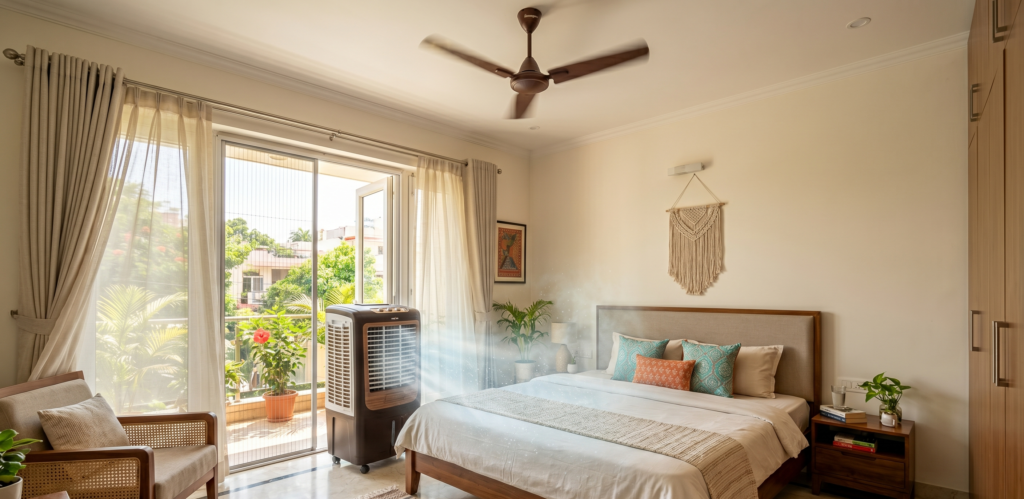
Air coolers provide better cooling than fans because they use water evaporation to cool the air. They work especially well in dry climates where humidity is low.
Coolers can make a room feel noticeably cooler without consuming too much electricity. They are suitable for bedrooms, living rooms, and medium-sized spaces.
However, in humid regions, coolers may increase moisture in the air, which can make the room feel uncomfortable.
Air Conditioners
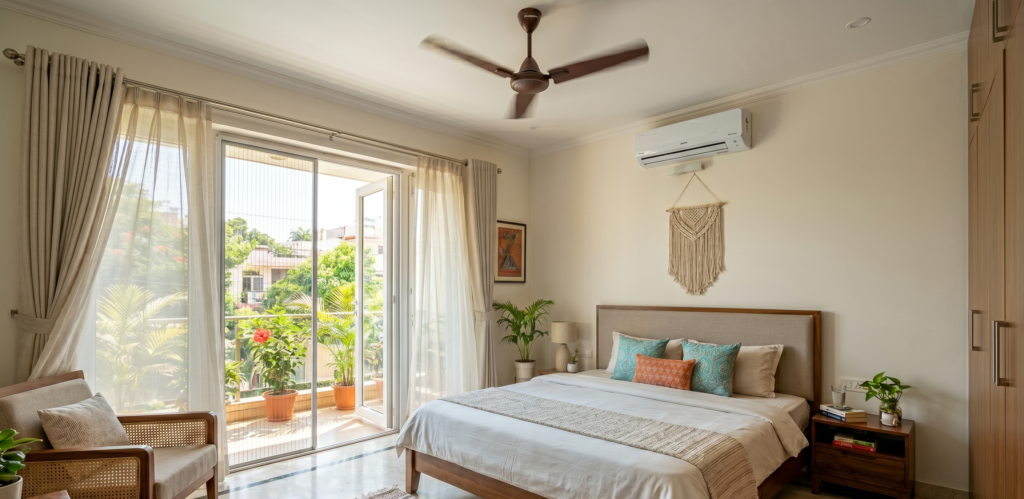
Air conditioners provide the strongest and most consistent cooling. They can quickly lower room temperature and maintain comfort even during extreme summer heat.
ACs also reduce humidity, making them especially useful in humid climates. This creates a more comfortable indoor environment compared to coolers and fans.
However, air conditioners consume more electricity and usually cost more to purchase and maintain.
Electricity Consumption Comparison
Electricity usage is one of the biggest concerns during summer. Understanding the power consumption of different cooling devices can help you manage monthly bills more effectively.
Fans
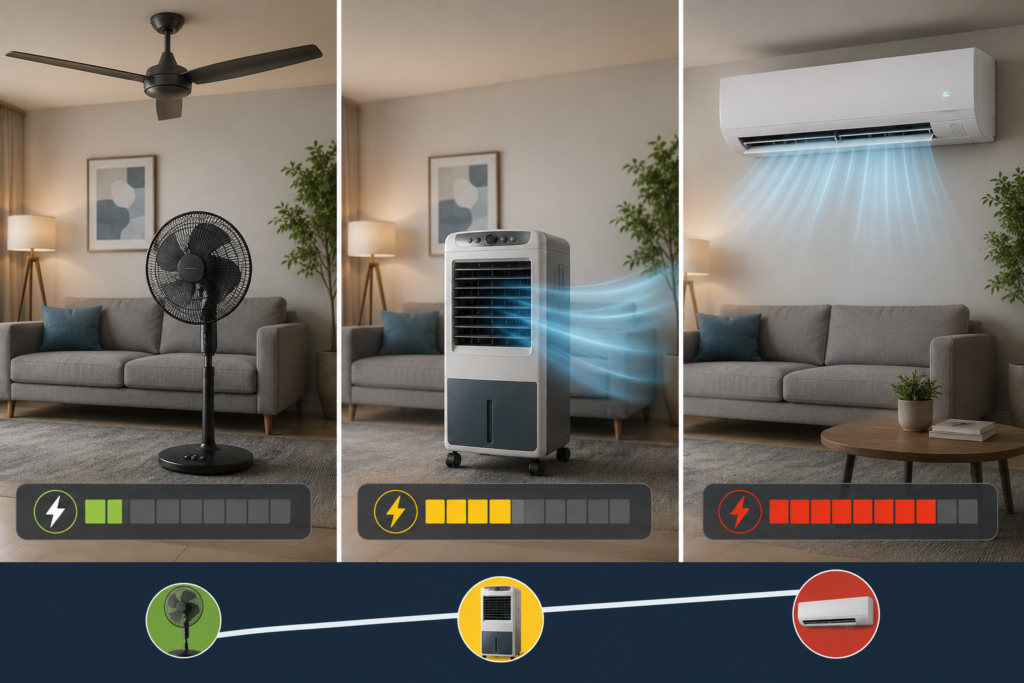
Fans are the most energy-efficient option. A ceiling fan consumes much less electricity compared to coolers and air conditioners, making it suitable for long daily usage.
Even if multiple fans are used in a home, electricity costs usually remain manageable.
Air Coolers
Air coolers consume more electricity than fans but significantly less than air conditioners. They are considered a good middle option for people who want better cooling without a major increase in electricity bills.
Using a cooler with proper ventilation can improve efficiency and reduce power usage further.
Air Conditioners
Air conditioners consume the highest amount of electricity among the three options. Long hours of AC usage can increase electricity bills considerably, especially if the temperature is set very low.
However, modern inverter ACs are more energy-efficient compared to older models and can help reduce electricity consumption when used wisely.
Maintenance and Long-Term Costs
Maintenance is another important factor while choosing a cooling solution.
Fans require very little maintenance apart from occasional cleaning. They are durable and affordable to repair if needed.
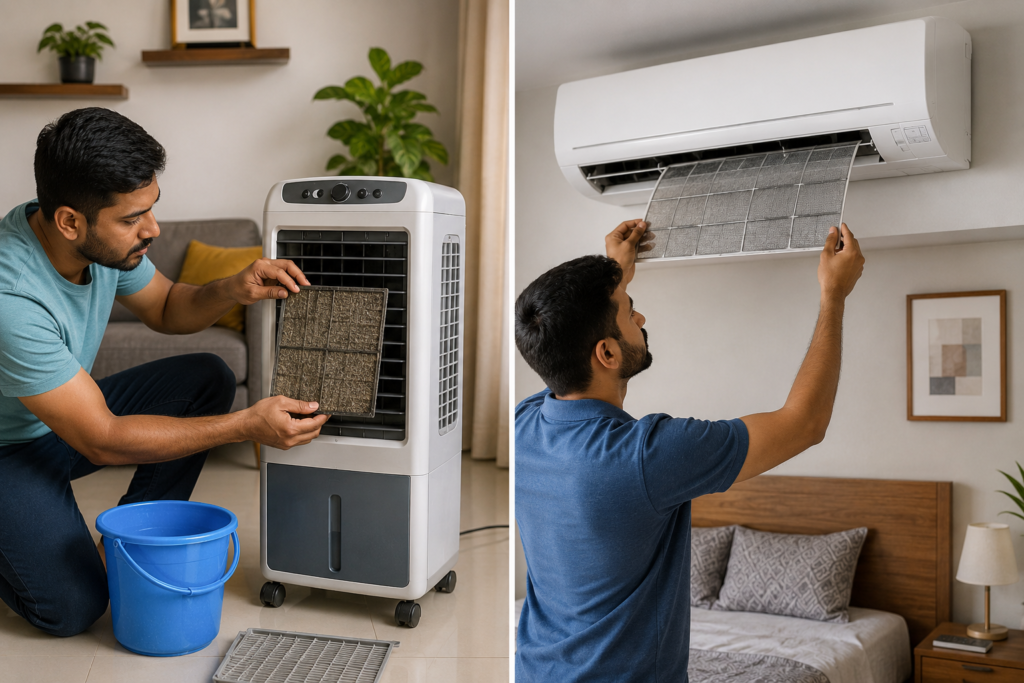
Air coolers need regular water refilling and cleaning of cooling pads to maintain proper airflow and hygiene. Without cleaning, coolers can develop odor or reduced performance over time.
Air conditioners require the highest maintenance. Filters need cleaning, gas levels may require servicing, and regular professional maintenance is important for efficient performance.
Although ACs provide the best cooling, they also involve higher long-term costs compared to fans and coolers.
Best Cooling Option for Different Types of Homes
There is no single cooling solution that works perfectly for every home. The right choice depends on climate, room size, electricity budget, and comfort needs.
For Small Rooms and Budget-Friendly Cooling
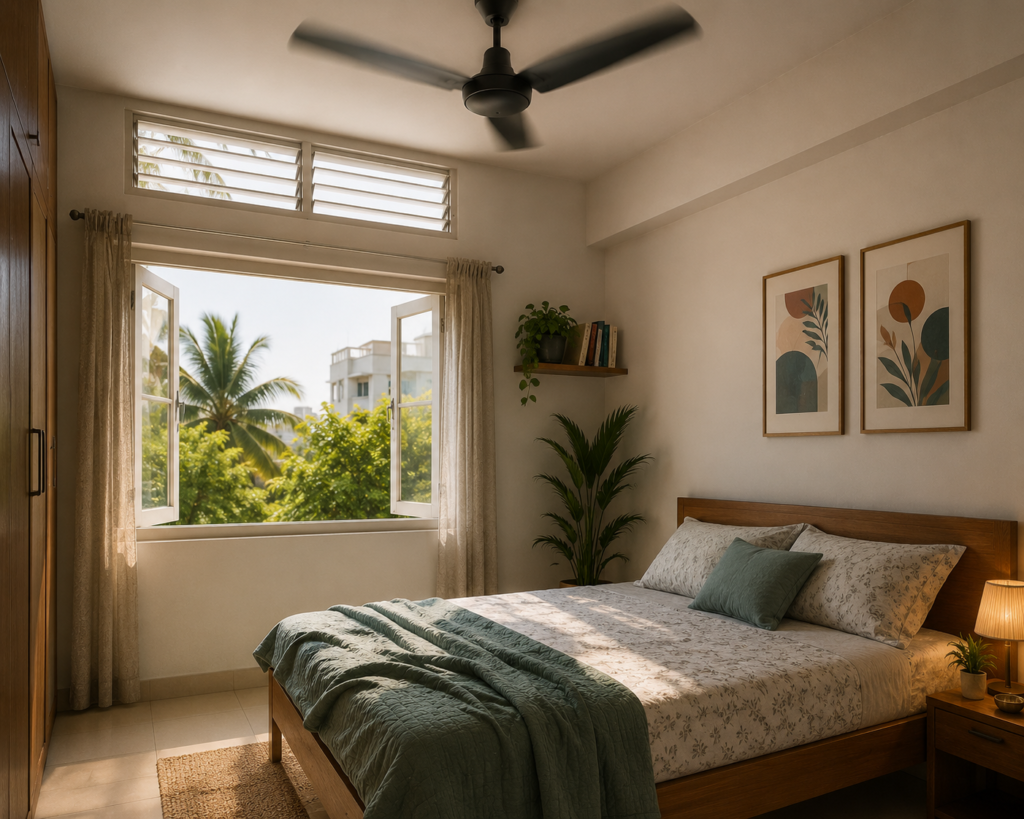
Fans are usually the best option for small rooms where ventilation is already good. They consume very little electricity and are suitable for regular daily use.
A good ceiling fan combined with proper airflow and curtains can keep small rooms reasonably comfortable during moderate summer conditions.
For Medium-Sized Rooms and Balanced Cooling
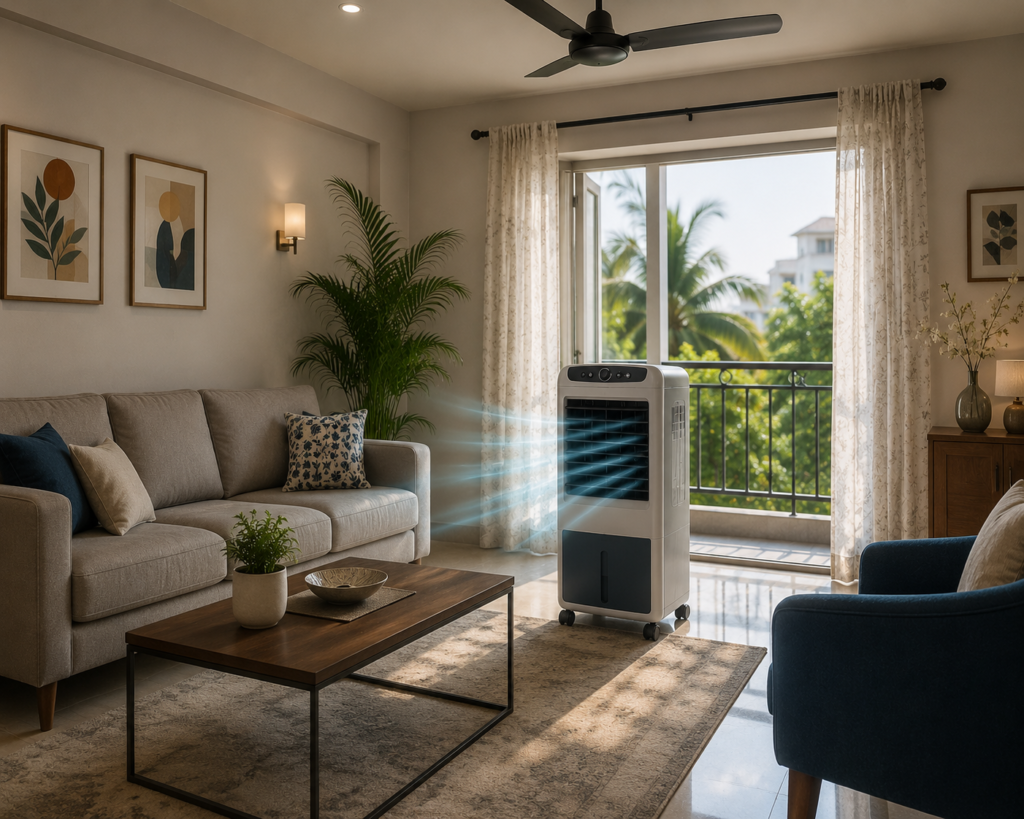
Air coolers are a practical choice for people who want stronger cooling than fans without the high electricity usage of air conditioners.
They are especially suitable for dry climates and medium-sized bedrooms or living rooms. Modern coolers are portable, affordable, and easier to maintain compared to ACs.
However, they require proper ventilation to work effectively.
For Extreme Heat and Maximum Comfort
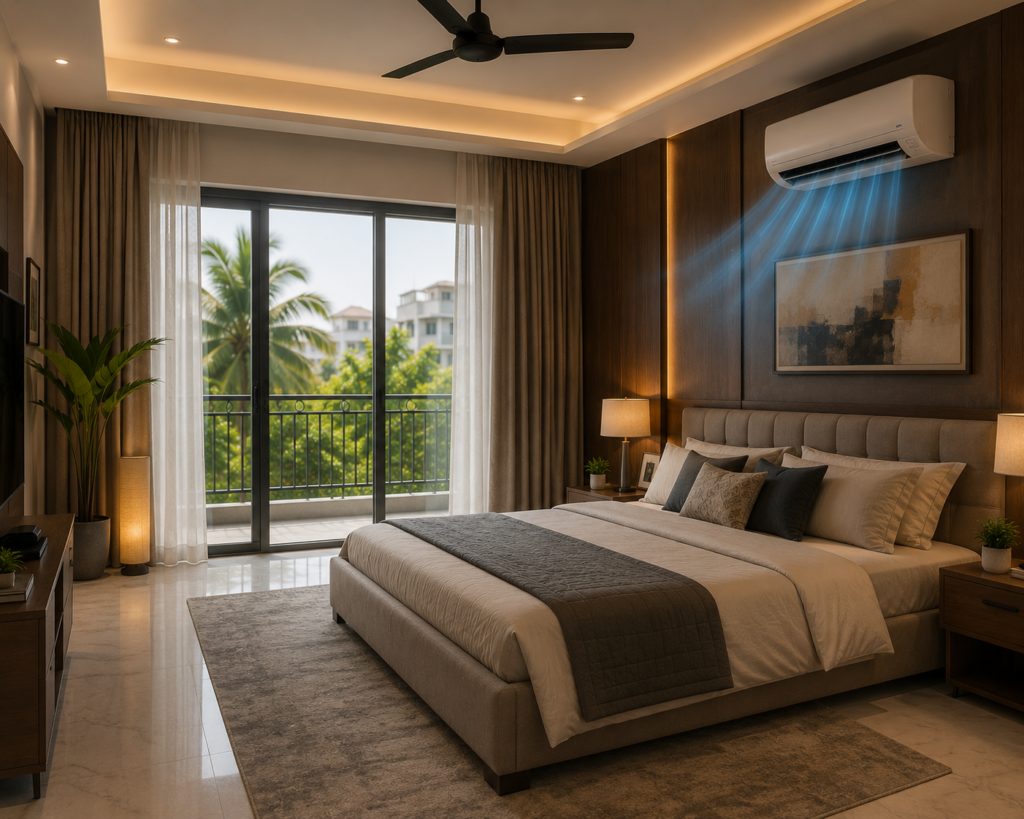
Air conditioners are the best option for areas with extreme heat or high humidity. They provide fast and consistent cooling even during peak summer temperatures.
ACs are ideal for:
- large rooms
- humid regions
- work-from-home setups
- people sensitive to heat
Although they involve higher electricity and maintenance costs, they offer the highest level of comfort.
Budget Comparison
Budget is often one of the most important deciding factors while choosing a cooling appliance.
Fans
- Lowest purchase cost
- Lowest electricity usage
- Minimal maintenance
Fans are the most economical option for everyday cooling.
Air Coolers
- Moderate purchase price
- Medium electricity usage
- Requires water and cleaning maintenance
Coolers provide a balance between affordability and effective cooling.
Air Conditioners
- Highest purchase cost
- Highest electricity usage
- Professional servicing required
Although ACs are expensive, modern energy-efficient models can help reduce long-term electricity costs when used carefully.
Frequently Asked Questions
Conclusion
Choosing between a fan, air cooler, and air conditioner depends on your comfort needs, climate, room size, and electricity budget.
Fans are affordable and energy-efficient for daily use, air coolers provide balanced cooling with moderate electricity consumption, and air conditioners offer the highest level of cooling during extreme summer conditions.
Instead of selecting the most expensive option, it is better to choose a cooling solution that matches your home environment and long-term usage. Smart usage, proper ventilation, and energy-efficient habits can help keep your home comfortable during summer without unnecessary expenses.