
Introduction
Summer heatwaves can make homes uncomfortable, especially in cities where temperatures rise quickly and ventilation is limited. Many households rely heavily on air conditioners and coolers, which often leads to high electricity bills by the end of the month.
However, keeping your home cool does not always require expensive appliances or constant use of electricity. With the right methods and small changes in daily habits, it is possible to maintain a comfortable indoor environment without significantly increasing power consumption.
In this guide, we will explore simple, practical, and budget-friendly ways to keep your home cool during summer. These tips are especially useful for small and medium-sized homes where managing heat efficiently can make a big difference.
Why Homes Get Hot During Summer?
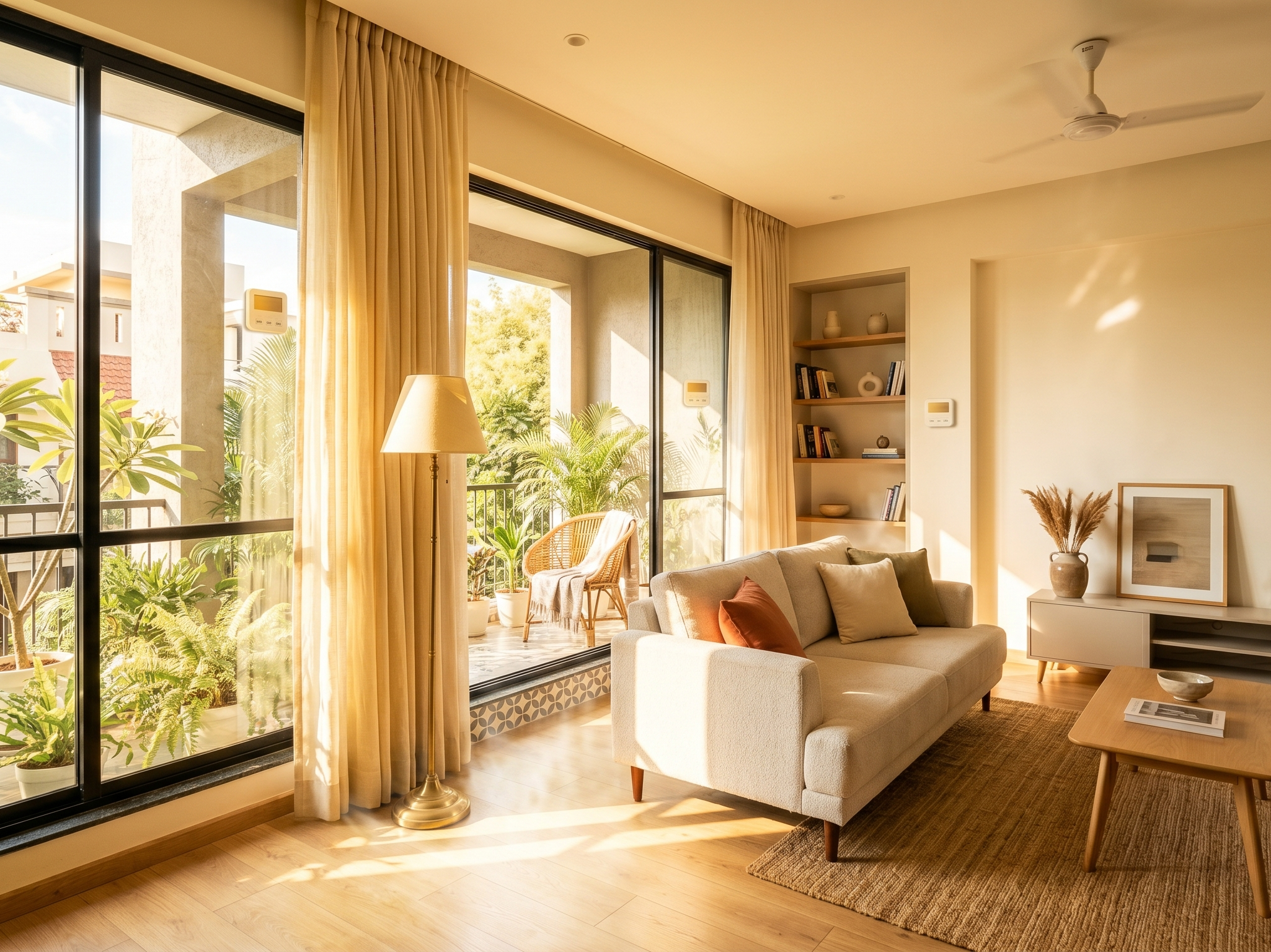
Understanding why your home heats up can help you control it better. During summer, heat enters the house mainly through walls, windows, roofs, and appliances.
One of the main reasons is direct sunlight. When sunlight falls on walls, windows, and rooftops for long hours, these surfaces absorb heat and gradually transfer it inside the house. Rooms that face direct sunlight tend to become hotter compared to shaded areas.
Poor ventilation is another common reason. If hot air is not able to escape properly, it gets trapped inside the house, making rooms feel warmer and uncomfortable. This is especially common in apartments where airflow is limited.
Using appliances like stoves, ovens, and even lights can also increase indoor temperature. Kitchens often become the hottest areas in the house because of continuous cooking during summer.
Another factor is clutter. A crowded space restricts airflow and makes it harder for cool air to circulate, which can increase the overall temperature inside the room.
By understanding these causes, it becomes easier to apply the right cooling methods without relying only on electricity-heavy solutions.
Simple Ways to Keep Your Home Cool Naturally
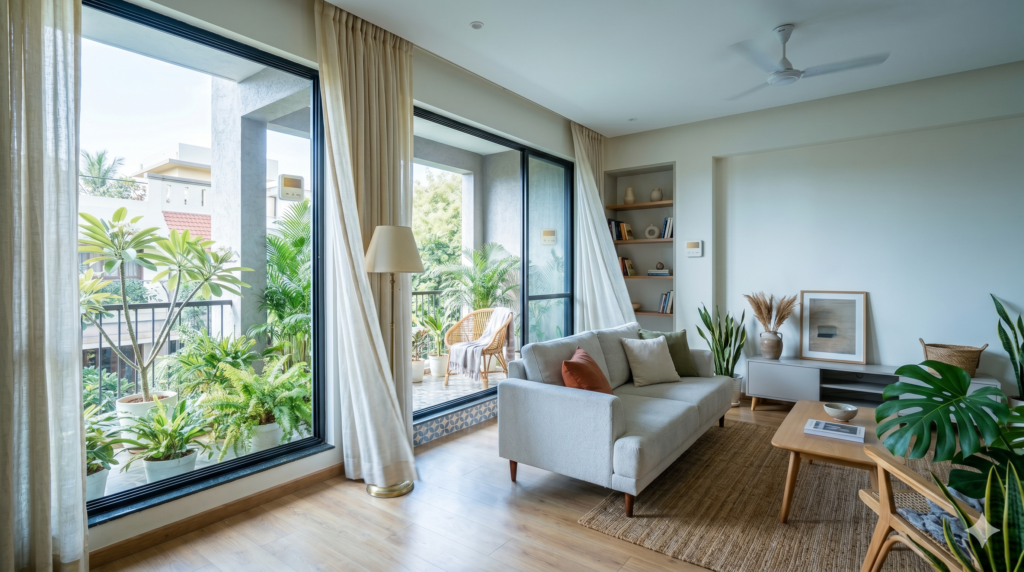
Before depending on appliances, it is always better to use natural methods to reduce heat inside the house. These methods are cost-effective and can significantly improve comfort.
One of the easiest ways is to block direct sunlight. Using curtains, blinds, or reflective window films can reduce the amount of heat entering your home. Light-colored curtains are especially helpful because they reflect sunlight instead of absorbing it.
Keeping windows closed during the hottest part of the day can also prevent hot air from entering. Instead, open windows early in the morning or late in the evening when the outside temperature is lower. This allows fresh air to circulate and cool down the house naturally.
Another effective method is improving ventilation. Using exhaust fans in kitchens and bathrooms helps remove hot air and keeps the indoor environment more comfortable. Cross ventilation, where air flows from one window to another, can also reduce heat buildup.
Using indoor plants is a simple way to improve air quality and create a cooling effect. Plants release moisture into the air, which can slightly reduce temperature and make the environment feel fresher.
Switching to energy-efficient lighting can also help. Traditional bulbs generate heat, while LED lights produce much less heat and consume less electricity.
These natural cooling methods may seem simple, but when used consistently, they can make a noticeable difference in maintaining a comfortable home during summer.
Smart Use of Fans, Coolers, and Air Conditioners
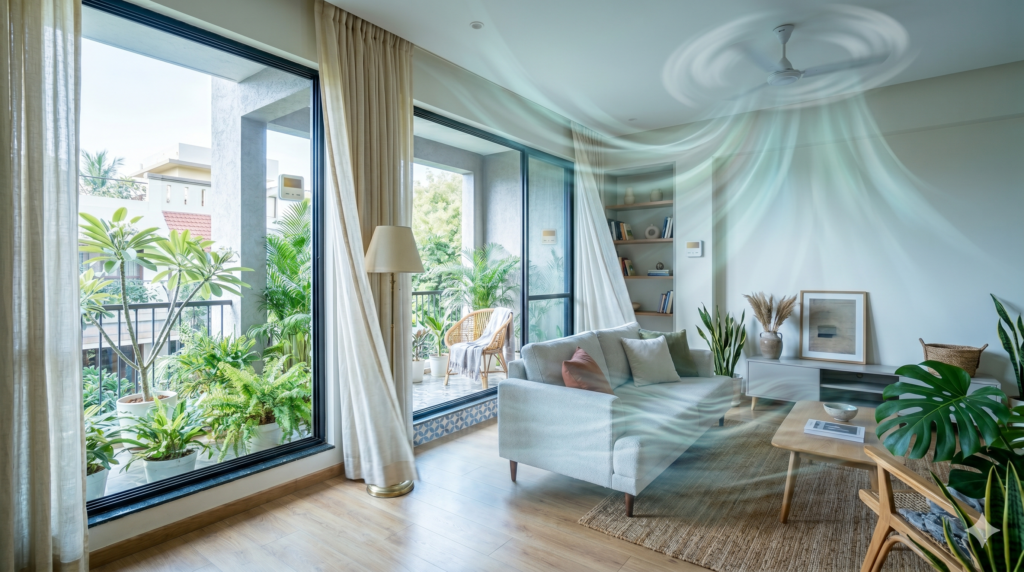
Using appliances wisely can help you stay cool without increasing your electricity bill too much. The key is not to avoid using them completely, but to use them efficiently.
Ceiling fans are one of the most energy-efficient cooling options. They do not reduce room temperature but improve air circulation, making the room feel cooler. For better results, you can use fans along with natural ventilation. Keeping windows slightly open during early morning or late evening while running the fan helps circulate fresh air inside.
Air coolers are another good option for dry regions. They consume less electricity compared to air conditioners and can provide effective cooling when used correctly. Placing the cooler near a window allows fresh air to circulate, improving its performance.
Air conditioners, if used smartly, do not always lead to high electricity bills. Setting the temperature between 24–26°C instead of very low temperatures can significantly reduce power consumption. Using the timer function and turning off the AC once the room is cool also helps save energy.
Combining these appliances is often the best approach. For example, running a fan along with an AC allows you to set a higher temperature while still feeling comfortable, which reduces electricity usage.
Room-by-Room Cooling Tips
Different areas of the house heat up differently, so using specific strategies for each room can improve overall comfort.
Living Room
The living room usually receives the most sunlight during the day. Keeping curtains closed during peak afternoon hours helps block heat. Using light-colored curtains or blinds (you can check some good options here) reflects sunlight and keeps the room cooler.
If possible, rearrange furniture to allow better airflow. Avoid placing large items near windows or ventilation areas, as they can block air circulation.
Bedroom
A cool bedroom is important for good sleep during summer. Using breathable bedsheets made of cotton (you can check some good options here) can make a noticeable difference. Avoid using heavy fabrics that trap heat.
You can also keep windows open during the night to allow cooler air to enter. Using a fan at moderate speed instead of high speed can provide consistent airflow without discomfort.
Turning off unnecessary electronics before sleeping also helps reduce heat buildup.
Kitchen
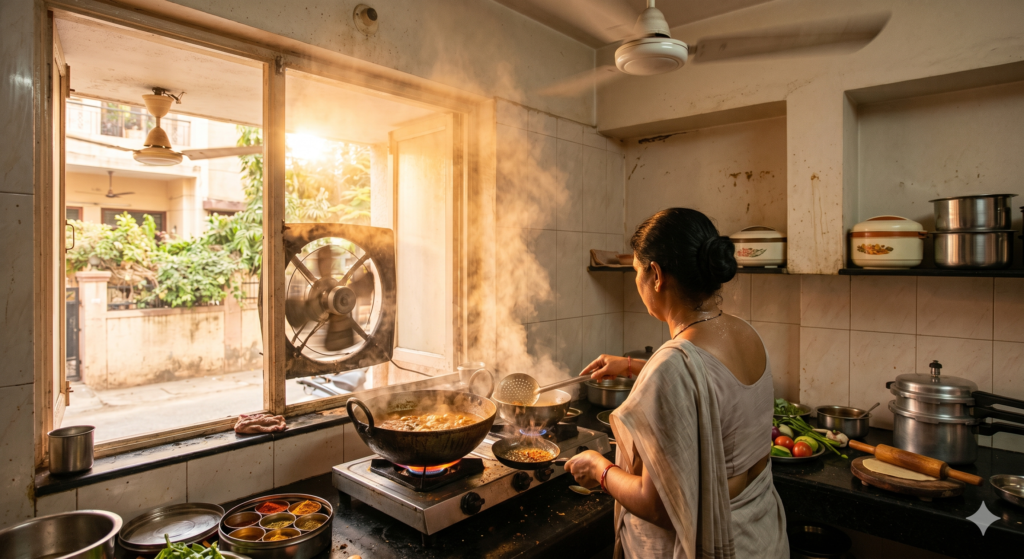
The kitchen is often the hottest part of the house due to cooking. To reduce heat, try cooking during early morning or late evening when temperatures are lower.
Using an exhaust fan (you can check some good options here) helps remove hot air and keeps the kitchen more comfortable. Keeping lids on utensils while cooking also reduces heat and steam spread.
Switching to efficient cooking appliances can also help reduce heat generation.
Low-Cost Cooling Tricks That Actually Work
Not all cooling methods require gadgets or electricity. Some simple tricks can make your home feel much cooler without any extra cost.
One effective method is using wet curtains or damp cloth near windows. As air passes through, it creates a slight cooling effect. This method works especially well in dry climates.
Placing a bowl of ice in front of a fan can also create cooler airflow for a short time. While this is not a permanent solution, it can provide temporary relief during extreme heat.
Keeping floors clean and slightly damp can help reduce heat inside the house. Water absorbs heat and creates a cooling effect, especially in tiled or marble floors.
Using light-colored fabrics for curtains, bedsheets, and furniture covers can also make a difference. Dark colors absorb heat, while lighter shades reflect it.
These small changes may seem simple, but together they can significantly improve comfort during hot summer days.
Common Mistakes That Make Your Home Hotter
Sometimes, small habits can unintentionally increase the temperature inside your home. Avoiding these common mistakes can make a big difference during summer.
One common mistake is keeping windows open during the hottest part of the day. While fresh air is important, hot air entering during afternoon hours can raise indoor temperature quickly. It is better to keep windows closed during peak heat and open them when the outside temperature is lower.
Using dark curtains or heavy fabrics is another mistake. Dark colors absorb heat and make rooms warmer. Switching to light-colored, breathable materials helps reflect heat and keeps the room cooler.
Many people also keep multiple electronic devices running unnecessarily. Devices like TVs, computers, and chargers generate heat, which can increase room temperature over time. Turning off unused electronics helps maintain a cooler environment.
Ignoring ventilation in the kitchen and bathroom is another common issue. Without proper airflow, hot air gets trapped and spreads to other parts of the house.
Overusing air conditioners at very low temperatures can also backfire. It increases electricity bills and creates an uncomfortable temperature difference when switching between rooms.
Frequently Asked Questions
Conclusion
Keeping your home cool during summer does not always require high electricity usage or expensive appliances. By understanding how heat enters your home and using simple, practical methods, you can create a comfortable indoor environment without increasing your monthly bills.
Small changes like blocking direct sunlight, improving ventilation, using appliances wisely, and avoiding common mistakes can make a noticeable difference. Combining natural cooling techniques with smart usage of fans, coolers, and air conditioners helps achieve the best results.
With the right approach, it is possible to stay comfortable even during extreme summer conditions while keeping energy consumption under control.